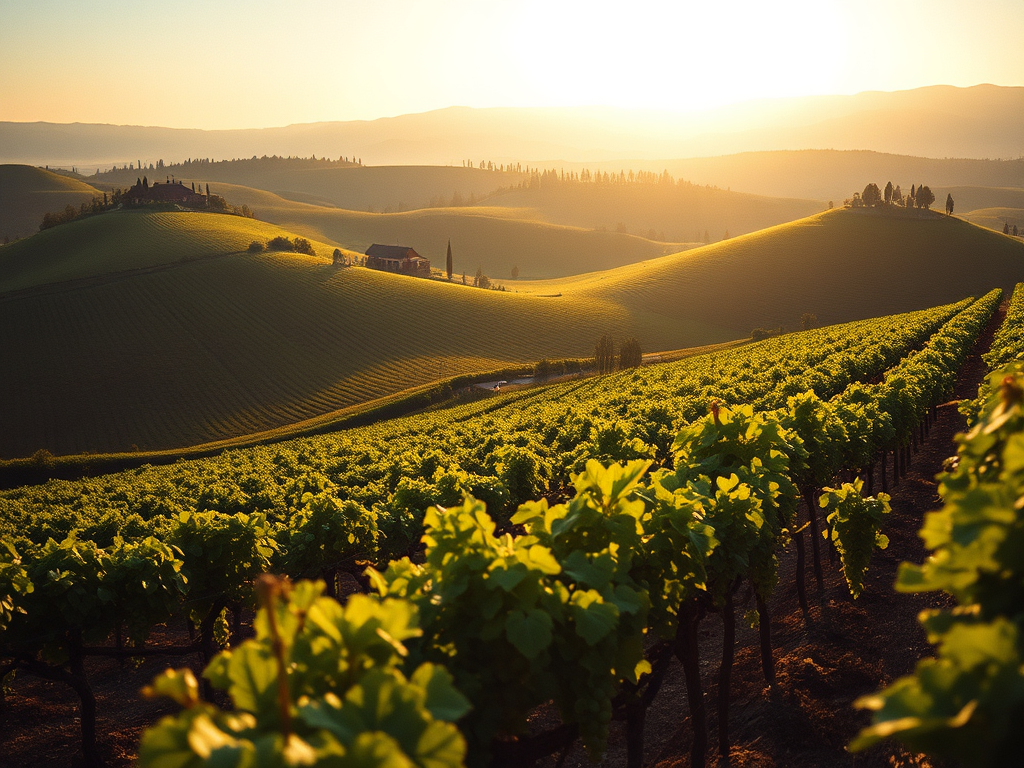
People have been making wine for thousands of years, and today it comes from grapes grown on nearly every continent. A relatively small group of regions, though, does most of the heavy lifting and accounts for the large majority of the wine the world drinks. Getting to know them, whether on the ground with a glass in hand or just by understanding what makes each one tick, is a good part of the fun of getting into wine.
Here is a tour of the major wine regions around the world. And since this is LIWine.com, we are going to make the case for why Long Island, right here in our own backyard, has earned a spot in that conversation.
Veneto, Italy
Tucked into the northeast of Italy, Veneto is one of the country’s most productive wine regions. It is the home of Prosecco, the sparkling wine that has taken over aperitivo hour worldwide, along with crisp white Soave made largely from the Garganega grape and the rich, age-worthy reds of Valpolicella, including Amarone. The cool climate and varied terrain let it turn out everything from easygoing everyday bottles to serious cellar wines.
Bordeaux, France
Bordeaux sits in the conversation of the most famous wine regions on earth, alongside Burgundy and Champagne. The overwhelming majority of what it produces is red, built mostly on blends of Cabernet Sauvignon and Merlot. The region’s gravel and limestone soils, paired with a mild maritime climate, give the wines their structure and their reputation for aging gracefully over decades.
Rioja, Spain
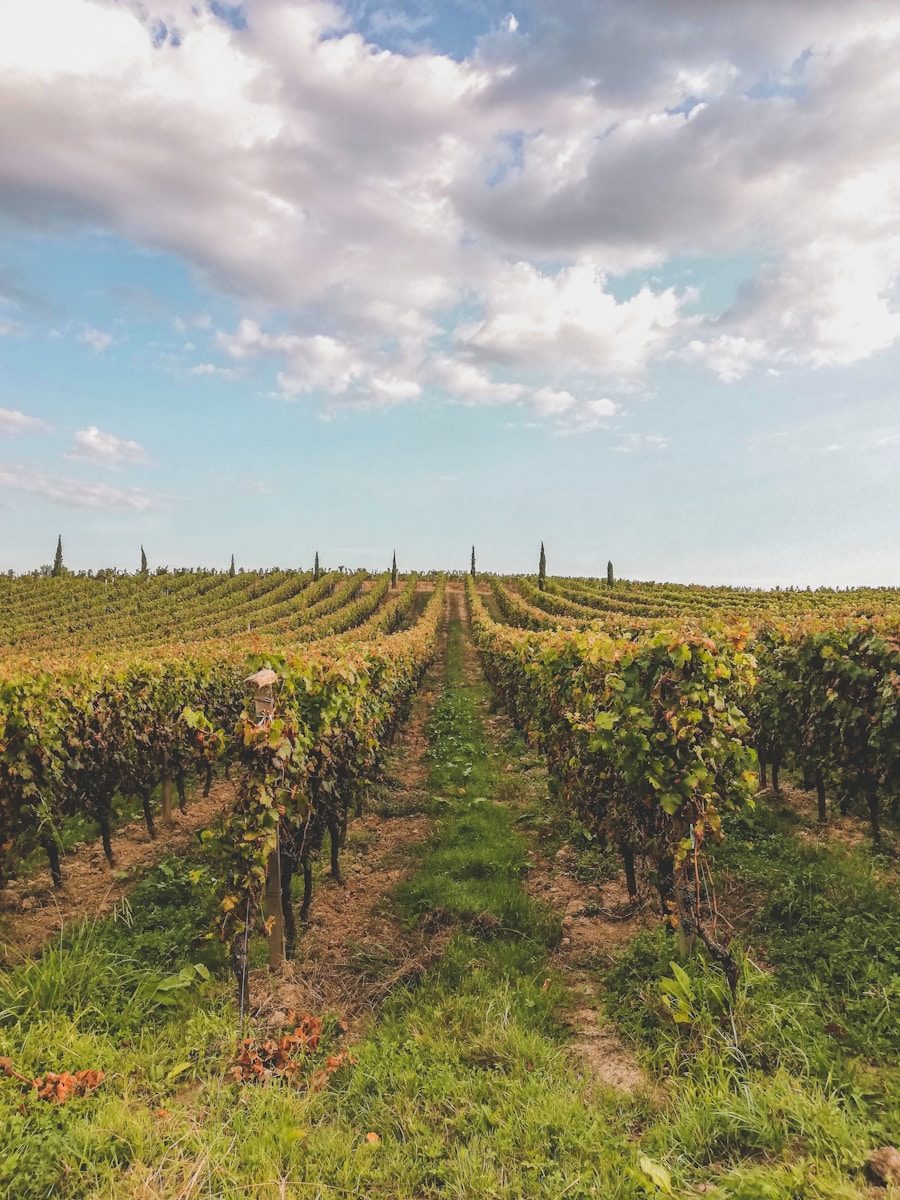
Rioja is Spain’s best-known red wine region, anchored by the Tempranillo grape. It is split into three sub-zones, Rioja Alta and Rioja Alavesa toward the cooler west, and the warmer Rioja Oriental, each lending a slightly different character to the blends. Rioja also knows how to throw a party: the town of Haro hosts the Batalla del Vino each summer, where locals and visitors soak each other in red wine. It is exactly as messy and joyful as it sounds.
The United States
The United States is the fourth-largest wine producer in the world, according to the International Organisation of Vine and Wine. California carries most of that load, and Napa Valley is its calling card. Napa earned its global reputation slowly, then all at once: the so-called Judgment of Paris in 1976, a blind tasting in which California wines beat their French counterparts, put the region on the map for good. Today it is one of the most visited wine destinations anywhere.
But the American wine story does not begin and end in California. There are quality producers in nearly every state now, and if you want to see how far the country’s wine scene reaches, the American Wineries directory is a good place to start. Which brings us home.
Long Island, New York
Long Island is one of the most interesting wine regions in the United States, and for readers in New York and the tri-state area, it is the one you can actually drive to on a Saturday morning. The region’s whole personality comes from the water. The East End juts out between the Long Island Sound and the Atlantic, and that maritime climate gives long, even growing seasons cooled by ocean breezes, which is a big part of why the wines tend toward bright acidity and balance rather than heavy power.
The modern story starts in 1973, when Alex and Louisa Hargrave planted the first vineyard in Cutchogue, on the North Fork. Other growers followed, and the region grew into the three official appellations it has today: the North Fork of Long Island and The Hamptons, Long Island, plus the broader Long Island AVA established in 2001 that ties them together. You can read more about how those areas are defined from the New York Wine & Grape Foundation. The North Fork holds the vast majority of the roughly sixty wineries; The Hamptons, on the South Fork, has only a handful but plenty of scenery.
The standout grapes here are Cabernet Franc and Merlot for reds, with Chardonnay and Sauvignon Blanc leading the whites, plus a healthy showing of rosé and sparkling wine. Long Island winemakers are, in our view, still figuring out exactly what a Long Island wine should be, and that is part of what makes the region fun to follow. There is room for experimentation and genuine surprises in the glass.
If you want to plan a day out, start with our Long Island Wineries Map to see what is clustered on the North and South Forks, then build a route from there. A short drive or train ride from the city, and you are in wine country.
Stellenbosch, South Africa
Just inland from Cape Town, Stellenbosch is South Africa’s most celebrated wine region. Sitting at the foot of the Cape Fold mountains, it has a wide mix of soils and a climate well suited to grapes, and it has built a strong reputation for Cabernet Sauvignon and Bordeaux-style red blends. It is also one of the prettiest wine regions you will find, with dramatic mountain backdrops behind the vines.
Granite Belt, Queensland, Australia
The Granite Belt is the surprise on this list for a lot of people, since Queensland is better known for beaches than vineyards. But its high altitude and cooler climate make it a genuine wine region, and it has earned a name for adventurous, alternative grape varieties that you do not see as often elsewhere in Australia.
Central Valley, Chile
Chile’s Central Valley, including the Maipo Valley near Santiago, is the heart of the country’s wine industry and a major force in Latin American wine. It is home to some of the region’s largest and oldest producers, including Concha y Toro, founded in 1883, whose wines you have almost certainly seen on a shelf. The long, dry growing season and protection of the Andes make it a reliable source of well-priced, well-made reds.
Rheinhessen, Germany
Rheinhessen is the largest of Germany’s thirteen wine regions. It is best known for Riesling, the grape Germany does better than anyone, and historically it was the source of a lot of the semi-sweet Liebfraumilch that introduced earlier generations to German wine. The region today turns out a much wider and more serious range than that reputation suggests.
The Takeaway
World-class wine is not something that only happens an ocean away. The regions above are worth a lifetime of exploring, but the one most of our readers can reach before lunch is Long Island. So next time you are thinking about a tasting trip, you do not need a passport. You need a designated driver and our Long Island Wineries Map.
This article is for general informational and travel-planning purposes. Please drink responsibly and only if you are of legal drinking age (21 and over in New York). Never drink and drive. Arrange a designated driver or a car service when visiting wineries.
(Editor note: Original article date – 7/27/19)
© 2026 by LIWine.com. All rights reserved. No part of this document may be reproduced or transmitted in any form or by any means, electronic, mechanical, photocopying, recording, or otherwise, without prior written permission.




Leave a Reply
You must be logged in to post a comment.