In this article, you will discover the essential dos and don’ts when it comes to handling and serving wine. Whether you are a wine enthusiast or someone new to the world of Long Island, NY wineries and wine, understanding proper wine etiquette is key to enhancing your enjoyment of this exquisite beverage. From choosing the right glassware and serving temperatures to avoiding common mistakes, this article will equip you with the knowledge you need to handle and serve wine like a pro confidently. So, grab a glass and let’s dive into the fascinating world of wine etiquette together!
Handling Wine
Handling wine properly is crucial to maintaining its quality and taste. Whether you’re a wine enthusiast or simply want to impress your guests at a dinner party, understanding how to handle wine correctly is essential. From storing wine properly to opening a bottle with finesse, let’s delve into the dos and don’ts of handling wine.
Storing Wine Properly
Storing wine bottles correctly is vital to ensure the wine ages gracefully and maintains its flavor. One of the most important tips is to store wine bottles horizontally. By doing so, you allow the wine to keep the cork moist, preventing it from drying out and letting oxygen seep inside. This helps maintain the wine’s freshness and minimizes the risk of spoilage.
Additionally, it’s crucial to avoid exposing wine to extreme temperatures. Dramatic fluctuations in temperature can cause the wine to expand and contract, potentially damaging the cork and leading to premature aging or even spoilage. Therefore, it’s best to store wine in a cool, consistent environment. A wine cellar, basement, or closet away from direct sunlight and heat sources is an ideal option for storing wine properly.
Handling Wine Bottles
When it comes to handling wine bottles, it’s important to be gentle and avoid shaking them. Agitating the wine can disturb the sediment, potentially impacting the taste and texture. Remember, wine is a delicate beverage that needs to be treated with care. When moving or transporting wine bottles, try to avoid any sudden or forceful movements to prevent additional turbulence and sediment disturbance.
Opening a Bottle of Wine
Opening a bottle of wine can be an elegant and satisfying experience. To ensure a successful opening, it’s crucial to use a wine opener correctly. There are various types of wine openers available, such as corkscrews and lever-pull models. Whichever opener you choose, make sure you know how to use it properly to avoid any mishaps.
One common mistake people make when opening a bottle of wine is twisting or forcing the wine cork. Instead, apply gentle and steady pressure while turning the corkscrew into the cork. This gradual approach minimizes the risk of crumbling the cork or pushing it into the bottle. Once the cork is partially exposed, use the leverage provided by the opener to gently remove it from the bottle. With practice, you’ll become adept at opening wine bottles effortlessly.
Serving Wine
Serving wine goes beyond the mere act of pouring it into a glass. To fully appreciate the complexities and nuances of wine, it’s essential to follow proper serving techniques. From selecting the right glassware to serving at the optimal temperature, paying attention to these details can significantly enhance the wine-drinking experience.
Choosing the Right Glassware
The glassware you use to serve wine can have a significant impact on its aroma, flavor, and overall enjoyment. To make the most of your wine, select appropriate glassware designed specifically for wine tasting. Ideally, the glass should have a tulip shape with a narrow rim, allowing the aromas to concentrate while sipping.
For white wines, choose glasses with a smaller bowl to preserve the delicate aromas and maintain a cooler temperature. Red wines, on the other hand, benefit from larger bowls that allow the wine to breathe and develop, releasing its aroma and enhancing the tasting experience.
Decanting Wine
Decanting wine is a process that involves transferring the wine from its original bottle to a different container called a decanter. This technique is typically used for younger wines, especially those with sediments or tannins that can benefit from aeration. Decanting allows the wine to breathe and can help soften harsh tannins, enhance aromas, and improve the overall flavor.
To decant wine properly, start by choosing a clean and clear decanter with a wide base. Carefully pour the wine into the decanter, leaving behind any sediment at the bottom of the bottle. Let the wine sit in the decanter for some time, allowing it to aerate before serving. The exact time required for decanting varies depending on the wine’s age and style, so it’s best to consult a wine expert or refer to specific recommendations.
Serving Temperature
The temperature at which you serve wine dramatically affects its taste and overall experience. When wine is too cold, its flavors and aromas become muted; when too warm, it can taste lifeless or highlight imperfections. Knowing the ideal serving temperature for each type of wine is essential to fully appreciate it. Therefore, understanding the optimal serving temperatures for different wines is vital.
As a general rule, white wines are best served chilled, usually between 45°F (7°C) and 50°F (10°C). For lighter white wines, such as Sauvignon Blanc or Pinot Grigio, aim for the lower end of the temperature range. Fuller-bodied white wines, such as Chardonnay, can be served closer to the upper end of the range.
On the other hand, red wines are typically served at slightly warmer temperatures, ranging from 55°F (13°C) to 65°F (18°C). Lighter reds, like Beaujolais or Pinot Noir, benefit from being served at the lower end of the range. Meanwhile, fuller-bodied reds, such as Cabernet Sauvignon or Syrah, can be served closer to the upper end of the spectrum.
Pouring Wine Properly
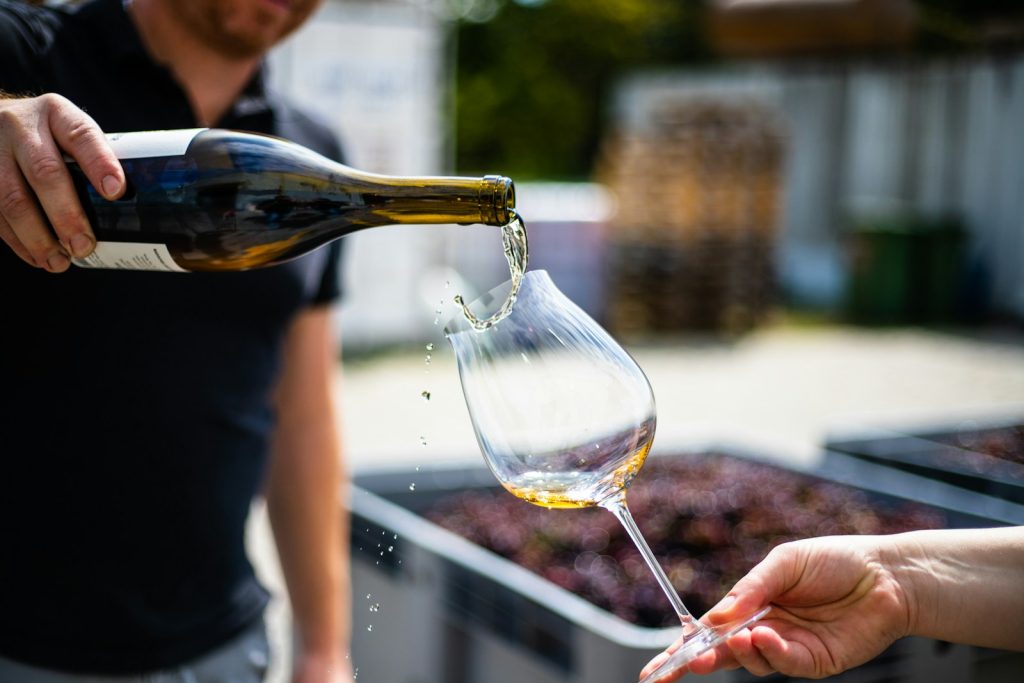
Pouring wine may seem straightforward, but there are a few techniques that can enhance the experience. When pouring wine, hold the bottle by the neck instead of the body to maintain control and avoid transferring heat from your hand to the wine. This helps maintain the wine’s desired temperature.
While pouring, aim to pour just the right amount into each glass, filling it about one-third to halfway full. This allows enough room for the wine to breathe and release its aromas. It’s also considerate to avoid splashing or spilling wine while pouring, as this can create a mess and waste the precious liquid.
Wine Serving Etiquette
Proper wine serving etiquette is an essential aspect of hosting or attending formal events or gatherings. Here are a few key etiquette tips to keep in mind:
- When serving wine, offer the bottle to the guest to have a look at the label. This helps create a sense of engagement and allows the guest to verify the wine’s authenticity and vintage.
- Before pouring wine for others, it’s customary to offer a taste to the person for whom the wine is intended. They can confirm if the wine is to their liking or if it needs any adjustments.
- Always serve wine to ladies first, followed by men. This tradition stems from the former custom of men tasting the wine first to ensure it wasn’t poisoned.
- When refilling glasses, hold the bottle by the lower third of the bottle’s body, instead of the neck, to maintain a better grip and prevent fingerprints on the glass.
- Lastly, be mindful of the pace at which you serve wine. Allow guests to savor each glass, and never rush them to finish or refill the glass hastily.
Now that we’ve explored the dos and don’ts of handling and serving wine, let’s delve deeper into specific guidelines to ensure you make the most out of your wine experiences.
The Do’s of Handling and Serving Wine
To handle and serve wine impeccably, keep these valuable tips in mind:
Store Wine Bottles Horizontally
Storing wine bottles horizontally helps keep the cork moist and prevents it from drying out. This keeps oxygen out and ensures the wine ages gracefully, maintaining its freshness and flavor.
Handle Wine Bottles Gently
Wine is a delicate beverage that requires gentle handling. Avoid shaking wine bottles, as this can disturb the sediment and affect the wine’s taste and texture. Treat wine bottles with care to preserve their integrity.
Use a Wine Opener Correctly
When opening a bottle of wine, use a wine opener correctly to avoid mishaps. Apply gentle and steady pressure when turning the corkscrew into the cork. This prevents the cork from crumbling or pushing into the bottle.
Select Appropriate Glassware
Investing in appropriate glassware can significantly enhance the wine-drinking experience. Choose glasses designed for tasting, with a tulip shape and a narrow rim. For white wines, opt for smaller bowls, while red wines benefit from larger bowls.
Decant Younger Wines
Decanting younger wines can help them breathe, allowing harsh tannins to soften and flavors to develop. Choose a clear decanter with a wide base, pouring the wine carefully and leaving any sediment behind.
Serve Wine at Optimal Temperatures
Serving wine at the correct temperature ensures the best possible taste experience. Chill white wines to around 45°F (7°C) to 50°F (10°C) and serve red wines slightly warmer, between 55°F (13°C) and 65°F (18°C).
Pour Wine Slowly and Carefully
When pouring wine, hold the bottle by the neck to maintain control and preserve the desired temperature. Pour just enough into each glass, filling it about one-third to halfway, allowing the wine to breathe.
Serve Wine from Light to Dark
When serving multiple wines with varying intensities, start with lighter wines and progress to darker ones. This allows the palate to adjust and fully appreciate the flavors and characteristics of each wine.
Pair Wine with Appropriate Food
Enhance your dining experience by pairing wine with appropriate food. Lighter wines complement delicate dishes, while fuller-bodied wines pair well with richer and more robust flavors. Experiment to find the perfect combinations.
Offer to Refill Glasses
As a gracious host, always offer to refill guests’ wine glasses. Hold the bottle by the lower third of the body to maintain a secure grip and avoid leaving fingerprints on the glass. Be attentive and fill the glasses at a comfortable pace.
The Don’ts of Handling and Serving Wine
To avoid common mistakes and preserve the quality of your wine, steer clear of these don’ts:
Don’t Expose Wine to Extreme Temperatures
Avoid exposing wine to extreme temperatures, as this can impact its quality and taste. Dramatic fluctuations in temperature can cause the wine to expand and contract, potentially damaging the cork and hastening spoilage.
Don’t Shake Wine Bottles
Shaking wine bottles can disturb the sediment and disrupt the wine’s delicate balance. Treat wine bottles with care, avoiding any sudden or forceful movements to prevent additional turbulence.
Don’t Twist or Force the Wine Cork
When opening a bottle of wine, resist the urge to twist or force the wine cork. Applying gentle and consistent pressure while turning the corkscrew prevents the cork from crumbling or being pushed into the bottle.
Don’t Use Inappropriate Glassware
Using inappropriate glassware can hinder the wine-drinking experience. Avoid using glasses with wide openings or thick rims, as they can diminish the aromas and alter the taste of the wine.
Don’t Decant Older Wines
Decanting older wines is generally unnecessary, as they often have more delicate characteristics that can be compromised by exposure to air. Older wines may have already developed sediment, which should be left undisturbed.
Don’t Serve Wine Too Cold or Too Warm
Serving wine at the wrong temperature can mask its flavors or accentuate any flaws. Avoid serving white wines that are too cold or red wines that are too warm. Optimal serving temperatures enhance the overall experience.
Don’t Fill Wine Glasses to the Brim
Leaving space in the glass when pouring wine allows it to release its aromas and prevents spills. Filling the glass no more than one-third to halfway full is ideal, depending on the wine’s style and the glass’s size.
Don’t Serve Dark Wine Before Light Wine
When serving multiple wines, follow the sequence of light to dark. Darker and more robust wines tend to overpower lighter ones, making it difficult to appreciate the subtleties of the lighter wine if tasted afterward.
Don’t Pair Wine with Incompatible Food
Avoid pairing wine with food that clashes in terms of flavor or intensity. For example, pairing a delicate white wine with a heavy, spicy dish may overpower the wine and hinder the overall dining experience.
Don’t Neglect Guests’ Empty Glasses
As a considerate host, pay attention to guests’ empty glasses and offer refills whenever appropriate. Being attentive to your guests’ needs enhances their enjoyment and ensures they have a memorable time.

Additional Tips for Handling and Serving Wine
To further elevate your wine expertise, here are some additional tips to consider:
Avoid Storing Wine Near Vibrations or Strong Odors
Keep wine away from sources of vibrations or strong odors, as they can negatively affect the wine’s quality. Vibrations can disturb the sediment, while strong odors can permeate the cork and impact the wine’s aroma.
Consider Using a Wine Preservation System
If you don’t finish a bottle of wine, consider using a wine preservation system to keep it fresh for longer. These systems remove air from the bottle, slowing down the oxidation process and preserving the wine’s integrity.
Allow Wine to Breathe Before Serving
For certain wines, allowing them to breathe before serving can help unlock their full potential. This is particularly true for bold red wines, which benefit from exposure to air to soften tannins and enhance flavors.
Learn About Wine Varietals and Their Ideal Conditions
Expand your wine knowledge by learning about different wine varietals and their ideal storage and serving conditions. Each wine variety has its own unique characteristics and preferences, so understanding them can help you make informed decisions.
Practice Proper Wine Tasting Techniques
Refine your wine-tasting skills by practicing proper techniques. This includes observing the wine’s color and clarity, swirling the wine to release its aromas, taking small sips to explore the flavors, and paying attention to the wine’s finish.
Offer Wine Suggestions and Explanations to Guests
If you’re hosting a wine-centric event, provide your guests with suggestions and explanations about the wines being served. Share interesting facts about the wine’s origin, grape variety, flavor profile, and food pairings. This adds an educational aspect to the experience and helps guests appreciate the wine even more.
Maintain Clean and Polished Glassware
Clean, polished glassware enhances the visual appeal of wine and ensures optimal tasting conditions. Use mild dish soap and warm water to wash your glasses, and avoid using fabric softeners or strong detergents that can leave residue or interfere with the wine’s characteristics.
Use Wine Pouring Aids for Precision
If you’re looking for precision when pouring wine, consider using wine pouring aids. These accessories help control the flow of wine and prevent spills, ensuring a neat and controlled pour every time.
Experiment with Wine Pairing and Flavors
Wine pairing is an art that can be approached with creativity and experimentation. Don’t be afraid to experiment with different wine and food combinations to discover new and exciting flavor harmonies.
Continuously Educate Yourself About Wine
Wine is a vast and ever-evolving subject, so it’s important to continuously educate yourself. Attend wine tastings, read books and articles, and engage in conversations with wine enthusiasts to expand your knowledge and deepen your appreciation for this enchanting beverage.
In conclusion, handling and serving wine requires attention to detail, care, and an understanding of the dos and don’ts. By following the proper techniques, you can enhance the flavors and aromas of wine, elevate the overall wine-drinking experience, and impress your guests with your wine knowledge. So, go ahead and explore the wonderful world of wine with confidence and enjoyment!
© 2025 by LIWine.com. Reserved all rights. This document cannot be copied or communicated in any way without LIWine.com prior written consent, whether it be electronically, mechanically, through photocopying, recording, or another medium.



Leave a Reply
You must be logged in to post a comment.