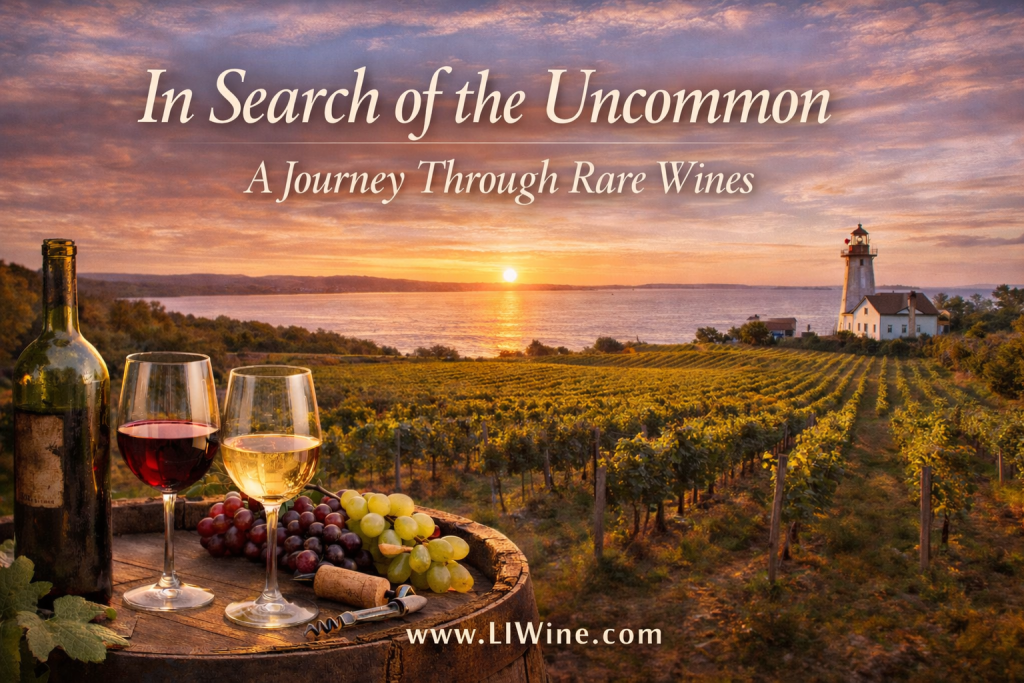
Every rare wine has a story, generations of winemakers perfecting their craft, flavors so exceptional they’re spoken of only in hushed tones, bottles that collectors spend years hunting down. From Long Island’s windswept coastlines to remote corners of the wine world, we’re setting out to find them. Along the way, you’ll discover what makes a wine truly rare, meet the people behind these liquid treasures, and maybe find yourself chasing a bottle or two of your own. Whether you can distinguish a Burgundy from a Bordeaux or you’re just beginning to explore what’s in your glass, there’s a story here for you.
Overview of Rare Wines
Definition of rare wines
Rare wines, as the name suggests, are wines that are hard to find due to limited production or unique characteristics. These wines often have a special historical or cultural significance, making them highly sought after by wine enthusiasts and collectors alike. The rarity of these wines can be attributed to factors such as limited vineyard space, specific grape varieties, or unconventional winemaking techniques.
Factors that make wines rare
There are several factors that contribute to the rarity of wines. One key factor is the limited production quantity. Some wineries intentionally produce a small number of bottles to maintain exclusivity and enhance the perceived value of their wines. Additionally, the scarcity of certain grape varieties, especially those that are indigenous to a particular region or have fallen out of favor, can also make wines rare. Other factors include unique production methods and aging techniques that result in limited quantities of wine.
Growing interest in rare wines
In recent years, there has been a significant increase in interest surrounding rare wines. Wine enthusiasts and collectors are actively seeking out unique and limited-edition bottles to add to their collections. This growing interest can be attributed, in part, to the rise of wine tourism and the desire for exclusive experiences. Rare wines offer a sense of luxury and exclusivity, making them highly desirable among wine connoisseurs. As a result, the market for rare wines has experienced significant growth, with collectors and investors alike recognizing the potential value and enjoyment that these wines can bring.
Exploring Long Island, NY Wineries
Just outside New York City, Long Island has matured into one of the East Coast’s most compelling wine regions—defined by a maritime climate, an increasingly sophisticated vineyard culture, and a knack for producing bottles that feel both local and hard to replicate. While the modern Long Island wine story is relatively young (the region celebrated its 50th anniversary in 2023), it has already produced wines with serious quality, limited availability, and genuine collector interest.
For travelers and curious drinkers, that combination is the hook: Long Island offers the immediacy of tasting-room discovery, but it can also deliver structured, age-worthy wines that reward patience in the cellar.
Notable wineries in Long Island
Long Island’s winery landscape is broad, but several producers consistently stand out for either benchmark quality or distinctive, “only-here” styles. Names that regularly come up in discussions of top Long Island wines include Bedell Cellars, Channing Daughters Winery, Wölffer Estate Vineyard, Paumanok Vineyards, and Rose Hill Vineyards. Together, they illustrate the region’s range—classic Bordeaux-inspired reds, serious Chardonnay, and small-lot bottlings that lean into experimentation.
Premier collectible wines and rare releases
If your goal is to highlight rare and noteworthy Long Island wines, focus on wines that signal scarcity and importance in three ways: top institutional recognition, limited “best-of-vintage” designations, and a proven ability to develop with age.
Rose Hill Vineyards’ 2019 Clarity Cabernet Sauvignon
One of the most significant modern milestones for a Long Island bottle came when Rose Hill’s 2019 Clarity Cabernet Sauvignon won the Governor’s Cup at the 2025 New York Wine Classic—the competition’s “Best in Show” honor. Positioned as a flagship wine and priced at $150 per bottle, it represents a clear example of Long Island’s premium ceiling: a small-production, prestige release tied to the convergence of an outstanding vintage, high-performing vines, and a winemaking approach that prioritizes purity and longevity.

Wölffer Estate Vineyard’s Perle Chardonnay
Long Island’s aging story isn’t only about reds. Wölffer’s Perle Chardonnay has long been framed as one of the region’s most age-worthy white wines, with releases described in a White Burgundy–influenced idiom and marketed for their ability to evolve over time. For readers who equate “collectible” with decades of development, Perle is a strong counterpoint to the assumption that Long Island is strictly a “drink it young” region.

Paumanok Vineyards’ Grand Vintage selections
Paumanok’s Grand Vintage designation is reserved for the winery’s finest wines from standout years—an internal “exceptional-only” filter that naturally results in fewer bottles and higher collector attention. Their Grand Vintage Selection Chardonnay and Tuthill’s Hill Cabernet Sauvignon have been cited as showing real depth around the ten-year mark, supporting the idea that top Long Island wines can gain complexity rather than simply hold steady.

Vintage quality and aging potential
Long Island’s “rare wine” profile is shaped by a simple reality: the region has fewer truly old bottles in circulation than centuries-established wine regions. Scarcity, therefore, often comes from limited production and exceptional vintage conditions, not just age.
The 2013 vintage is often singled out as a modern benchmark—described as a year with a hot, dry growing season and a notably dry harvest window that allowed many varieties to reach full ripeness. In a region where rainfall timing can be decisive, years like 2013 become reference points for what Long Island can achieve when conditions line up.
In terms of cellar-worthiness, Long Island red wines commonly age 10–15 years, with certain top-tier bottles capable of 20+ years under proper storage. The region’s maritime influence tends to support this trajectory by helping wines retain vibrant acidity and moderate alcohol—structural traits that often correlate with graceful aging. Older examples frequently cited to illustrate this potential include Jamesport Vineyards’ 1998 Cabernet Franc and Merlot reserves and Lenz’s 1997 Old Vines Merlot, wines that have been noted for sustained quality well beyond their release decade.
Unique characteristics of Long Island wines
Long Island’s defining signature is balance shaped by water. Cooling breezes and moderated temperature swings contribute to wines that often show fresh acidity, crispness, and a mineral-leaning edge, rather than overt heaviness. The region is especially associated with Bordeaux-style blends, Merlot, and Chardonnay, all of which can thrive in the local conditions and deliver both approachability and structure.
Market recognition and pricing
Beyond major awards like the Governor’s Cup, Long Island wines earn collector attention through a combination of critical reception and top-tier bottlings that sit clearly above everyday releases. Wölffer’s highest-regarded wines—such as Caya Cabernet Franc and Grapes of Roth Merlot—are regularly positioned as premium expressions that attract strong scores and heightened interest. Paumanok’s reserve and Grand Vintage approach similarly create clear “selection” tiers that collectors can follow across vintages.
Price-wise, Long Island spans the full spectrum: many premium-tier bottles land in the $30–$50 range, while reserve and prestige releases can climb to $150—a level that signals both scarcity and ambition, and that increasingly aligns Long Island with other collector-conscious regions in the United States.
Unusual Grape Varieties
Introduction to uncommon grape varieties
While familiar grape varieties such as Cabernet Sauvignon and Chardonnay dominate the wine market, there is a world of uncommon grape varieties waiting to be explored. These rare grape varieties offer a unique tasting experience and allow wine enthusiasts to expand their palates beyond the usual favorites.
Rare white grape varieties
Some rare white grape varieties worth exploring include Albariño, a fragrant and acidic grape variety originating from Spain, and Grüner Veltliner, a versatile grape known for producing delicious dry white wines with flavors of green apple and white pepper. Another interesting white grape variety is Vermentino, which produces wines with a refreshing acidity and tropical fruit flavors.
Rare red grape varieties
Among the rare red grape varieties, Trousseau, a grape variety native to France, offers wines with a light to medium body, vibrant acidity, and flavors of red berries and earthiness. Another unique red grape variety is Blaufränkisch, known for producing wines with intense flavors of blackberries, spices, and a touch of vegetal notes. The lesser-known Negroamaro grape from Italy’s Puglia region is also worth exploring, as it produces deeply colored wines with rich flavors of dark fruit and hints of chocolate.
Unique Wine Production Methods
Unconventional winemaking techniques
In addition to rare grape varieties, winemakers often employ unconventional techniques to create unique and rare wines. One such technique is the use of skin contact during fermentation, commonly known as “orange wine.” This process involves leaving the grape skins in contact with the juice for an extended period, resulting in a wine with a distinct orange hue and flavors of dried fruits and spices. Another unconventional technique is carbonic maceration, where whole grapes are fermented in a carbon dioxide-rich environment, producing soft and fruity wines.
Alternative aging methods
Traditional aging methods involve aging wine in oak barrels, which imparts flavors and aromas to the wine. However, some winemakers choose alternative aging methods to create rare and unique wines. Amphora aging, for example, involves aging wine in clay vessels, resulting in wines with a distinctive earthy character. Another alternative aging method is aging wine underwater, where the constant temperature, pressure, and lack of oxygen create a unique aging environment, resulting in wines with enhanced complexity.
Experimental fermentation practices
To push the boundaries of traditional winemaking, winemakers experiment with fermentation practices. One such practice is wild yeast fermentation, where natural yeast present on the grape skins is used instead of commercial yeast. This can result in wines with distinct aromas and flavors not typically found in conventionally produced wines. Another experimental fermentation practice is extended maceration, where the grape skins remain in contact with the juice for an extended period, resulting in wines with increased tannins and depth of flavor.
Luxurious Wine Tasting Experiences
Exclusive wine tasting clubs
For those seeking a luxurious wine tasting experience, exclusive wine tasting clubs offer a unique opportunity to discover rare and exceptional wines. These clubs provide access to limited-production wines, often sourced from prestigious vineyards around the world. Members can enjoy curated tasting experiences, wine education, and the opportunity to network with fellow wine enthusiasts.
Wine-themed luxury resorts
For wine lovers looking for an immersive experience, wine-themed luxury resorts provide the perfect escape. These resorts offer stunning accommodations, world-class dining experiences, and on-site vineyards or extensive wine cellars. Guests can indulge in private wine tastings, participate in winemaking activities, and even blend their own wines under the guidance of expert vintners.
Private vineyard tours and tastings
For a more intimate wine tasting experience, private vineyard tours and tastings allow guests to explore the vineyards and cellars with the winemakers themselves. This personalized experience offers a deeper understanding of the winemaking process and allows visitors to sample rare and limited-production wines directly from the source. It is an excellent opportunity to learn about the history and unique characteristics of each wine, while enjoying the picturesque beauty of the vineyards.
The Art and Science of Wine Collecting
Tips for building a rare wine collection
Building a rare wine collection requires careful consideration and planning. Here are some tips to get started:
- Research and educate yourself about different wine regions, grape varieties, and vintages to make informed purchasing decisions.
- Start small and focus on specific regions or grape varieties to develop expertise in those areas.
- Join wine clubs or mailing lists to gain access to limited-edition releases and allocations.
- Develop relationships with reputable wine merchants who can provide guidance and access to rare wines.
- Consider investing in professional storage facilities to ensure optimal aging conditions for your collection.
Understanding wine vintages and regions
Understanding wine vintages and regions is crucial when collecting rare wines. Certain vintages and regions are known for producing exceptional wines that increase in value over time. Researching historical weather patterns and winemaking practices can help identify vintages that are highly regarded. Additionally, familiarizing oneself with specific wine regions and their unique characteristics can assist in making informed decisions about which rare wines to invest in.
Proper storage and cellaring techniques
Proper storage and cellaring techniques are essential for preserving the quality and value of rare wines. Wines should be stored in a cool, dark, and humidity-controlled environment to prevent premature aging or spoilage. Investing in a wine cellar or utilizing professional storage services can ensure that wines are kept in optimal conditions. Additionally, proper handling and minimizing exposure to light, temperature fluctuations, and vibrations are crucial to maintaining the integrity of rare wines.

Wine Auctions and Collectors’ Markets
Popular wine auctions around the world
Wine auctions provide a platform for collectors to acquire rare wines and create opportunities for wine enthusiasts to explore a wide selection of wines. Some of the most popular wine auctions around the world include Christie’s and Sotheby’s in the United Kingdom, Acker Merrall & Condit in the United States, and Zachys in Hong Kong. These auctions often feature rare and highly sought-after wines, attracting collectors and investors from around the globe.
Notable collectors’ markets for rare wines
Apart from wine auctions, collectors’ markets offer a unique avenue for buying and selling rare wines. Markets such as Bordeaux en primeur, where buyers purchase wines before they are bottled and released, allow collectors to invest in future vintages. Other notable collectors’ markets include Burgundy, Napa Valley, and the fine wine market in London. These markets provide opportunities for collectors to discover new and rare wines, as well as access to limited-production bottles.
Market trends and investment potentials
The market for rare wines has seen significant growth in recent years, with collectors and investors recognizing the potential for both enjoyment and investment. The value of rare wines can appreciate over time, making them an attractive asset for those looking to diversify their investment portfolios. Keeping an eye on market trends and consulting with industry experts can help collectors identify wines with growth potential and make informed investment decisions.
Legendary Vineyards and Historical Wines
Iconic vineyards with historical significance
Certain vineyards hold significant historical and cultural value in the wine world. These vineyards have a rich legacy and are known for producing exceptional wines year after year. Some iconic vineyards include Château Margaux in Bordeaux, Domaine de la Romanée-Conti in Burgundy, and Ridge Vineyards in California. The wines from these legendary vineyards are highly sought after and often considered benchmarks of quality and excellence.
Ancient wines and their stories
Ancient wines, also known as historic or archaic wines, offer a glimpse into the past and provide a unique tasting experience. These wines are typically made from archaeological finds or have been cellared for an extended period. Drinking an ancient wine allows one to connect with history and experience the flavors and aromas enjoyed by previous generations. The stories behind these wines, the civilizations that produced them, and the preservation techniques used add to the intrigue and fascination surrounding them.
Reviving lost wine traditions
In recent years, there has been a resurgence of interest in reviving lost wine traditions and grape varieties. Winemakers and viticulturists are working to rediscover ancient grape varieties and traditional winemaking techniques that have been forgotten over the years. This revival not only adds diversity to the world of wine but also reinforces cultural heritage and promotes sustainability in the industry. Reviving lost wine traditions allows us to explore the depth and richness of wine history while creating new and exciting expressions of winemaking.
Challenges of Obtaining and Enjoying Rare Wines
Accessibility and availability issues
One of the significant challenges of obtaining rare wines is their limited accessibility and availability. Some rare wines are produced in extremely small quantities and are only available through select channels, making them challenging to acquire. Additionally, certain rare wines may be exclusive to specific regions or have limited distribution, further restricting access for wine enthusiasts outside those areas.
Cost considerations and budgeting tips
Rare wines often come with a hefty price tag. Collectors and enthusiasts must consider the cost implications when building a collection or purchasing individual bottles. Setting a budget and prioritizing wines based on personal preferences can help manage costs. Exploring lesser-known regions or grape varieties can also offer opportunities to discover rare wines at a more affordable price point.
Legal restrictions and certifications
The wine industry is subject to various legal restrictions and certifications that can impact the availability and distribution of rare wines. Certain regions have strict regulations governing wine production, labeling, and import/export, making it more difficult to obtain rare wines from these areas. Additionally, certifications such as the Appellation d’Origine Contrôlée (AOC) in France or the Denominazione di Origine Controllata (DOC) in Italy can affect the production and marketing of rare wines, limiting their availability.
Exploring the Future of Rare Wines
Emerging wine regions producing rare wines
As the world of wine continues to evolve, emerging wine regions are starting to produce rare and exceptional wines. Countries such as Argentina, Australia, and Chile are gaining recognition for their unique grape varieties and innovative winemaking practices. These regions offer exciting opportunities for wine enthusiasts to discover rare wines that showcase new terroirs and winemaking styles.
Innovations in winemaking and viticulture
Advancements in winemaking and viticulture are driving the production of rare wines. From sustainable farming practices to precision winemaking techniques, innovation is enhancing the quality and uniqueness of wines. The use of technology, such as drones for vineyard management or precision harvesting, allows winemakers to optimize grape quality and minimize environmental impact. Innovations in fermentation and aging methods also contribute to the production of rare wines with distinct flavors and characteristics.
Predictions for the future rare wine market
The future of the rare wine market looks promising. As interest and demand continue to grow, rare wines are likely to see an appreciation in value. However, with increasing global warming and changing climates, there may be challenges in maintaining the consistency and quality of certain wine regions. This could potentially lead to the emergence of new, unexpected regions producing rare wines. Additionally, technological advancements and evolving consumer preferences will continue to shape the future of the rare wine market, presenting new opportunities for exploration and enjoyment.
In summary, the world of rare wines offers a fascinating journey into the extraordinary. From exploring unique grape varieties and unconventional winemaking techniques to enjoying luxurious wine tasting experiences and building a rare wine collection, there is something for every wine enthusiast to discover. With the growing interest in rare wines and the ever-evolving wine landscape, the future promises even more exciting and rare discoveries for those willing to embark on this captivating adventure.
© 2025 by LIWine.com. Reserved all rights. This document cannot be copied or communicated in any way without LIWine.com prior written consent, whether electronically, mechanically, through photocopying, recording, or any other medium.



Leave a Reply
You must be logged in to post a comment.